


How Often Should I Replace My Engine Belts?
If you hear a squealing sound from the engine compartment, it can be a sign of trouble. Maintaining your engine belts is crucial for keeping your vehicle in optimal condition and avoiding expensive emergency repairs. In this guide, our team at Volkswagen of Marion explains everything you need to know about the different types of belts in a car and when to replace them.
What Types of Belts Are in a Car and What Do They Do?
Volkswagen vehicles use various types of engine belts, such as timing belts, timing chains, and serpentine belts.
Timing Belts
Timing belts are ribbed rubber belts that keep the crankshaft and camshaft working in sync. They’re common in many Volkswagen diesel engines and some older gas engines. Because timing belts are made of rubber, they need to be replaced regularly, typically every 60,000 miles or five years.
Timing Chains
Timing chains are made of metal and do the same job as timing belts. Volkswagen uses timing chains in newer gasoline engines, especially those with turbocharged stratified injection technology. Although timing chains tend to last longer than belts — often as long as the engine itself — they must still be checked for wear or stretching, particularly after 100,000 miles or if you notice rattling noises.
Wet Timing Belts
Certain Volkswagen models, such as the Transporter, use wet timing belts. Since these belts are submerged in engine oil to help reduce friction and wear, they last longer than dry belts. Wet belts still need to be replaced routinely. Keep an eye on oil leaks as they can wear the belts out faster.
Serpentine Belts — Drive Belts
This is a single, continuous belt that powers the alternator, air conditioning compressor, power steering pump, and sometimes the water pump. When this belt fails, everything it powers stops working. Your battery won’t charge, the air conditioning dies, and the power steering fails. If it drives your water pump, your engine can drastically overheat. Volkswagen serpentine belts typically last between 50,000 and 100,000 miles but should be checked regularly for cracks, glazing, or fraying.
V-Belts
Older Volkswagens may have a V-belt instead of a serpentine belt. Each belt is dedicated to a specific accessory. V-belts are thicker and trapezoidal, which helps grip the pulleys. Because they’re separate, a failure in one belt only affects the accessory it powers. V-belts need to be inspected and maintained more often.
When Should You Replace Your Engine Belts?
Most belts are designed to last 60,000 to 100,000 miles or five to seven years. To be safe, we recommend replacing the timing belt and serpentine belts anywhere between 50,000 and 100,000 miles. This can vary depending on the type of car you have, your driving habits, and general wear and tear. After replacement, you can rest assured that your engine belts will last for many years.
Signs It’s Time To Replace Your Engine Belts
If you’re not experiencing issues, you can safely wait until you’ve reached the mileage required for engine belt replacement. The following signs may suggest you need to change them sooner:
- Squealing noises when starting the engine or accelerating
- Difficulty starting the engine
- Loss of voltage while driving
- Visible cracks, fraying, or glazing on the belt
- Weak air conditioning or power steering
- The hood of your car feels hotter to the touch than normal
- Overheating engine — if the belt drives the water pump
- Black smoke
Keep in mind that visual inspections aren’t always enough. Modern belts can look fine on the outside but still be damaged on the inside. You should have them checked by an experienced technician as part of your annual service to catch early signs of wear.
How To Inspect and Maintain Engine Belts
The best way to stay on top of your engine belt maintenance is to check them once a month, especially if you have an older car. If you have a newer car, ask the technician to check your belts when they do your annual service. When you do your inspection, look for the following:
- Turn the engine off and approach the passenger side of your car.
- Look for tears, cracks, or fraying on the belt or missing pieces in the engine bay.
- Make sure the belt’s grooves are not worn flat. Volkswagen technicians will use a belt depth tool to measure this.
- Pull the belt to make sure there’s enough tension. It shouldn’t be too loose or too tight — aim for less than half an inch of pull between the pulleys.
- Make sure the belt is aligned properly with the pulley.
- Clean any fluids or dirt off the belt and pulleys.
When it’s time to replace your belts, make sure you replace the water pump, tensioners, and pulleys at the same time to rule out any other issues.
Getting Professional Help: When DIY Isn’t Enough
While you may be able to replace the belts yourself, you should get expert help. Some Volkswagens can be tricky to work on because of their smaller engine compartments and complicated routing diagrams. Consulting our professionals at Volkswagen of Marion will ensure the job is done properly and safely. Our techs will address the following:
- Create enough tension using special tools
- Inspect related components such as tensioners and idler pulleys
- Check for any underlying issues responsible for the initial problem
- Route the belt according to the manufacturer’s diagram
Visit Volkswagen of Marion Today
Don’t neglect your engine belts or ignore issues that can cause major engine damage. If you’re in Marion, Illinois, visit us if you notice any unusual noises or performance issues to have your belts checked by our professional team. Contact us today to schedule a service.
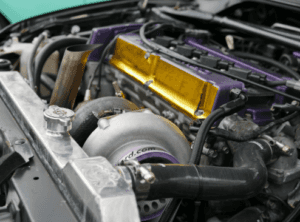
shallow focus photography of black and gray car engine bay by travis clem is licensed with Unsplash License
1 comment(s) so far on How Often Should I Replace My Engine Belts?
how many years or how many kilometers do you need to change the timing belt?
Service has always been done by Moller