


How To Prepare Your Car for Winter Driving
When the snow hits and the winter chills bite at your vehicle’s paint, you might find yourself wondering what you could’ve done to better prepare for the snow, ice, and inevitable salt damage. Luckily, there’s plenty you can do to help prepare your car for winter driving, and VW of Marion wants to show you how. Here’s a short guide on what you can do to prepare any vehicle for the depths of winter with just a few simple steps.
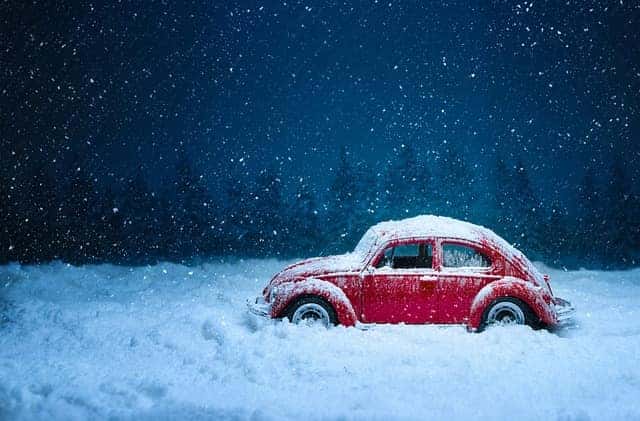
Winter Toy Vintage by Sangeeth_N is licensed with Pixabay License
Check Your Tire Tread
The first thing you can do when prepping for winter is to check your car’s tire tread. Winter brings on slippery, unpredictable road conditions, which can be dangerous if your tires don’t have much tread left. A quick way to check tire tread is to use the penny test, which requires a penny and a good eye. Take a regular penny and put it inside the tread on the top of each tire. Put the face side towards you. If you can see Lincoln’s entire head when you put your penny inside the groove, it’s time for new tires.
Check Your Tire Pressure
While you’re checking the tread on your tire, you can also check your tire pressure. Maintaining correct tire pressure is crucial during the winter, because as the rubber cools, it contracts, which can cause the tires to lose pressure. Low pressure affects the grip of your tires and might make your vehicle lean favorably to one side, affecting steering. A quick way to check your tire pressure is to go to any gas station or buy a pressure gauge for your glove box. Check the inside of your driver-side door or directly on the tire for the correct PSI.
Fill Your Antifreeze and Change the Oil
Antifreeze is a necessity for a vehicle because it helps prevent the vehicle’s fluids from freezing. If you get frozen fluids, you’ve got a serious problem, so make sure your antifreeze/coolant is full and there are no leaks. If you’re due for an oil change, it’s a good idea to change it before the winter weather hits to make sure your car is running optimally when the snow starts falling. While dirty oil doesn’t necessarily make a difference in the cold weather, regular maintenance is just good practice and ensures your vehicle runs properly in any weather.
Check Your Vehicle’s Heating System
There’s nothing worse than learning your heat doesn’t work when that first 20-degree day comes along. It’s a good idea to check your heater before it starts getting cold. All you have to do is turn on the heat and let it run for several minutes, ensuring it’s coming out of all the vents. You can also test your window defrosters if you have them. Some cars have them on the rear windshield and the side mirrors. If you experience any problems, bring your vehicle to our service department, and we’ll have a certified technician look at it.
Inspect the Battery
Vehicle batteries can sometimes respond negatively to cold weather, especially here in Illinois. We’re no stranger to the cold, and your car shouldn’t be a stranger to regular maintenance, which includes checking the battery and cables for good connections and corrosion. Corrosion on a battery looks somewhat like a white or yellowish crust around the connections or comes in the form of rusted metal components. Pop the hood and take a quick look for any obvious warning signs, or bring your vehicle to the service department for a thorough inspection and battery testing.
Buy Snow Tires
The tires are arguably the most important component for successful winter driving, as they’re meeting the slick, snow-crusted roads and are exposed to ice and cold all winter. If you want to take that extra step to ensure you can drive all winter long with minimal issues, consider buying some snow tires. These tires have specialized treads for gripping in slick conditions, like ice and snow. The only drawback to snow tires is that they can potentially lower your MPG, but depending on the vehicle, the amount varies.
Turn On Your Exterior Lights
In the winter, visibility can be an issue, especially with our infamous Illinois snowstorms. You want the people in front of you and behind you to know you’re there and whether you’re making a turn or trying to stop. Before the snow hits, check all of your vehicle’s exterior lights to make sure they’re functioning. Check both turn signals, brake lights, high beams, and your headlights. Replace any burned-out bulbs if you can, or we can help. Our team members are great with simple repairs and can get you back on the road in no time.
Look at Your Door Seals
The rubber seals inside your vehicle’s doors ensure a tight seal when you shut the door, keeping out wind and moisture. You can manually check the seals by opening your door and looking for rips, cracks, or tears. Run your hands along the rubber to see if it feels dry, which is usually a sign that those seals are aging and might need to be replaced. You can also help prevent your car doors from freezing shut by spraying a light coat of non-stick cooking spray on the seals. Wipe off the excess, and you’re set.
When preparing for winter, remember that VW of Marion is here to help. With a dedicated service team and department with an excellent service record, we can help you winterize your vehicle in no time for a cost you’ll love. We’re excited to serve the Marion area and provide excellent vehicles and service to customers just like you. Check out our new inventory page if you’re in the market for a new vehicle, or give our service department a call to set up an appointment for your vehicle’s winter maintenance needs.
0 comment(s) so far on How To Prepare Your Car for Winter Driving