


Importance of Proper Wheel Alignment
Proper wheel alignment is essential for maintaining your vehicle’s performance, safety, and longevity. Misalignment can lead to uneven tire wear, decreased fuel efficiency, and compromised handling, affecting your driving experience and increasing long-term costs. At Volkswagen of Marion, we emphasize the importance of regular alignment checks to protect your vehicle and enhance your safety on the road. Our team invites you to explore the significance of proper wheel alignment, what it entails, and the practical benefits it provides.
What Is Wheel Alignment and Why It Matters
Wheel alignment refers to precisely adjusting your vehicle’s suspension components to ensure that the tires make proper contact with the road. Alignment involves three key angles, camber, toe, and caster, that affect how your tires interact with the road surface. Proper alignment is crucial for maintaining vehicle stability, maximizing tire life span, and improving fuel efficiency.
Incorrect alignment can result in uneven tire wear, pulling to one side while driving, or decreased steering responsiveness. Addressing alignment issues promptly prevents costly repairs and ensures optimal vehicle performance and safety. Misalignment can also increase the workload on your suspension system, leading to faster wear and tear of crucial components. By scheduling regular alignment checks at Volkswagen of Marion, you can keep your vehicle in peak condition and enjoy a smoother, safer ride.
The Critical Angles: Camber, Toe, and Caster Explained
Understanding the key angles involved in wheel alignment can help you appreciate its impact on your vehicle’s performance.
Camber
This angle measures the tilt of the tire when viewed from the front of the vehicle:
- Positive camber: The tires tilt outward at the top. This can benefit certain vehicles designed for specific applications but is generally undesirable for standard cars.
- Negative camber: The tires tilt inward at the top. While small amounts can improve cornering performance, excessive negative camber leads to uneven tire wear and reduced stability.
Toe
The toe refers to the direction in which the tire’s points relative to each other when viewed from above.
- Toe-in: Tires angle toward each other at the front. Excessive toe-in can cause premature tire wear and compromise handling.
- Toe-out: Tires angle away from each other at the front. This alignment issue can lead to instability and uneven tire wear.
Caster
The caster angle measures the steering axis tilt when viewed from the side of the vehicle. A properly aligned caster angle balances steering responsiveness and vehicle stability. Depending on the issue, an out-of-alignment caster can make steering difficult, either feeling too heavy or too light.
Each angle must be carefully adjusted to ensure the vehicle’s handling, tire wear, and safety aren’t compromised. Precise calibration of these angles is essential for long-term vehicle health.
Signs You Might Need a Wheel Alignment
Detecting alignment issues early can save you from costly repairs and unsafe driving conditions. One of the most noticeable signs of misalignment is when your vehicle pulls to one side, even on a straight road. This can be subtle or pronounced, but it always indicates that the tires are incorrectly aligned. Uneven or rapid tire wear is another common indicator. For instance, if one side of the tire wears down faster than the other, it suggests improper alignment. Specific patterns, such as feathering or camber wear, often point to misaligned angles.
You may also notice vibrations in the steering wheel while driving. These vibrations often occur because the tires aren’t rolling smoothly due to misalignment. Over time, this can cause discomfort during driving and additional wear on suspension components. Finally, a crooked steering wheel is a subtle yet telling sign of alignment issues. If the wheel appears off center when driving straight, it’s time to check your alignment. Ignoring these signs can lead to further complications, making it vital to address alignment issues promptly at Volkswagen of Marion’s service center.
Key Benefits of Proper Wheel Alignment
Ensuring your wheels are aligned offers several practical advantages:
- Fuel efficiency: Proper alignment reduces rolling resistance, improving gas mileage and saving money at the pump.
- Tire longevity: Even alignment minimizes irregular tire wear, extending the life span of your tires and protecting your investment.
- Enhanced safety: Accurate alignment ensures better handling, reducing the risk of accidents caused by poor steering responsiveness.
- Smooth ride: Aligned wheels eliminate unnecessary vibrations, enhancing driving comfort.
These benefits also reduce stress on your suspension system and minimize wear on key components such as shocks and struts. The long-term savings and improved driving experience highlight why regular alignment checks are essential.
Wheel Alignment vs. Wheel Balancing: Understanding the Difference
While alignment and balancing contribute to optimal vehicle performance, they serve distinct purposes. Alignment focuses on adjusting the angles of the wheels to ensure proper contact with the road, and conversely, balancing addresses weight distribution around the tire and wheel assembly to eliminate vibrations. Properly balanced wheels spin smoothly without causing noticeable vibrations, improving comfort and reducing wear on suspension components. Alignment, however, concerns the positioning of the tires relative to the vehicle’s frame. Even balanced wheels may not deliver optimal performance or safety without proper alignment. Regularly performing both services helps maintain a smooth and safe driving experience.
Practical Tips for Maintaining Proper Alignment
Taking proactive steps to preserve alignment can reduce the frequency of adjustments needed and protect your vehicle:
- Schedule regular checks: Have your alignment inspected annually or whenever you install new tires or notice driving irregularities.
- Avoid potholes: Steering clear of potholes and road hazards helps prevent sudden misalignment.
- Drive cautiously: Avoid hitting curbs or obstacles that can disrupt alignment angles.
- Monitor tire pressure: Keeping tires properly inflated reduces strain on suspension components.
- Rotate tires regularly: Tire rotation prevents uneven wear, complementing the benefits of proper alignment.
- Inspect suspension components: Worn suspension parts can cause or worsen alignment issues. Replace components as needed to maintain proper alignment.
Visit Volkswagen of Marion Today
By adopting these practices, you can minimize alignment-related issues and extend the life of your tires and suspension components. Scheduling alignment checks at Volkswagen of Marion ensures your vehicle operates at its best, providing a safe and efficient driving experience. Call us at 618-249-3834, visit our service center at 4403 W. DeYoung St. in Marion, Illinois, or complete our secure online form to book your alignment service today. Our hours are Monday through Friday: 7:30 a.m. to 5:30 p.m. and Saturday from 8 a.m. until noon.
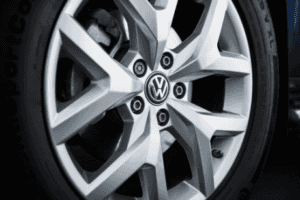
Volkswagen Amarok V6 First Drive by The NRMA is licensed with CC BY 2.0 DEED
0 comment(s) so far on Importance of Proper Wheel Alignment