


Is It Okay To Use High Mileage Oil?
One of the most essential tasks for any vehicle owner is oil changes. Your vehicle needs clean oil to operate properly and to protect the engine against damage. When it comes time to change your oil, one decision you’ll have to make is whether or not to use high-mileage oil. But what exactly is it, and is it okay to use high-mileage oil? Below, we’ll explore high-mileage oil, including the benefits and considerations you should think about and how you can use it to keep your vehicle in the best possible condition.
Understanding High-Mileage Oil: Is It Right for Your Engine?
High-mileage engine oil is specifically designed for vehicles with more than 75,000 miles on the odometer. Unlike standard engine oil, high-mileage oil contains special additives and seal conditioners to address common issues found in older engines. Older engines are more likely to experience leaks, oil burn-off, and increased wear. If you have a vehicle with an older engine, it may be time to switch to high-mileage oil.
Benefits of High-Mileage Oil: Making an Informed Choice
Switching to high-mileage engine oil has some significant benefits, including the following:
- Older engines often develop small leaks due to worn or shrunken seals. High-mileage oil has seal conditioners to help swell and rejuvenate rubber gaskets to prevent leaks and prevent oil burn-off.
- High-mileage oil contains extra anti-wear additives, such as zinc and phosphorus, to minimize metal-on-metal friction and protect your engine over time.
- The detergents and dispersants in high-mileage oil help to clean out sludge and deposits from your engine, which increases performance and prevents future deposits.
- High-mileage oil maintains its viscosity longer, which is essential for engines with looser internal tolerances due to wear.
Before switching to high-mileage oil, consider factors such as the condition of your engine. If it’s in good shape and not leaking or burning oil, you may not need high-mileage engine oil. If your engine already has significant mechanical problems, high-mileage oil won’t address the issue. High-mileage oil is meant to prevent future problems, not correct them. Before switching, check your owner’s manual. It may have specific recommendations about the type of high-mileage engine oil you should use.
Expert Tips and Maintenance Strategies
To get the most from your high-mileage engine oil, there are a few things you can do. Make sure you select the right type of oil since not all high-mileage oils are the same. Look for a synthetic or synthetic blend oil for better protection, especially if you drive in extreme temperatures. Your owner’s manual will have the recommended viscosity for the oil you should get.
Keep an eye on your vehicle’s oil consumption since older engines tend to burn oil more quickly. You should regularly check your engine oil to ensure adequate levels and prevent engine damage. If you notice excessive consumption and you find yourself topping off your oil every few weeks, you’re likely facing a problem that is too big for high-mileage oil to fix.
We also recommend sticking to your normal oil change schedule. While high-mileage engine oil has additives to better protect your engine, you should still change it every 5,000 to 7,000 miles. This will help remove sludge and other contaminants that can damage your engine. Using a high-quality, extended-life oil filter will trap contaminants better and maintain oil cleanliness, further improving engine longevity.
High-Mileage Oil FAQ
We answer a few common questions about high-mileage oil to help you make the right decision.
When Should You Switch to High-Mileage Oil?
You should consider changing to high-mileage oil when your vehicle reaches 75,000 miles or more. If you notice signs of aging, such as oil leaks or increased oil consumption, before that time, you may want to switch earlier. If your engine is running perfectly at 75,000 miles, you may be able to hold off. This mileage is a rough estimate for the average vehicle, but the condition of your specific engine is a more important indicator. Switching to high-mileage oil before it’s time won’t damage your vehicle, so it’s often better to err on the side of caution.
Is High-Mileage Oil Worth It?
Switching to high-mileage oil is often worth it. While high-mileage oil is slightly more expensive than standard oil, this cost is minimal compared to potential broken engine repairs, which can be exorbitantly expensive. Switching to high-mileage oil can extend the longevity of your vehicle and improve its performance, making this small investment worth it to enhance your driving experience, reduce stress, and increase your vehicle’s value.
How Often Should High-Mileage Oil Be Changed?
How frequently you should change your high-mileage oil depends on the oil type. Conventional high-mileage oil should be changed every 3,000 to 5,000 miles, while synthetic high-mileage oil should be replaced every 5,000 to 7,000 miles. If you regularly drive in extreme temperatures or stop-and-go traffic, or frequently tow heavy loads, you should change your car’s oil more often.
Visit Volkswagen of Marion for Volkswagen Oil Changes
Visit Volkswagen of Marion for the best care for your vehicle. Our knowledgeable technicians will examine the state of your vehicle and its engine to determine whether high-mileage oil is beneficial. We’ll also perform the oil changes for you, saving you the hassle. To get started, check out our latest specials, as we frequently offer discounts on our oil change services. When you’re ready, schedule your next maintenance visit online or contact us with any questions. We look forward to helping you keep your Volkswagen in great shape for many years to come.
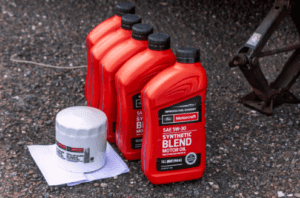
a couple of bottles of motor oil sitting on the ground by Rinald Rolle is licensed with Unsplash License
0 comment(s) so far on Is It Okay To Use High Mileage Oil?