


Turbo Engines vs Naturally Aspirated
One of the biggest decisions you’ll face when shopping for a Volkswagen vehicle is whether to go for a naturally aspirated engine or a turbocharged one. Each type uses a specific power delivery mechanism and offers unique advantages in performance, efficiency, and fuel economy. In this article, we compare how each works to help you determine which type best suits your driving needs. Let’s jump right in.
Turbocharged vs Naturally Aspirated: What’s the Difference?
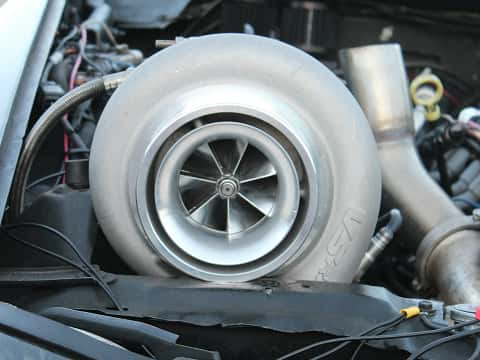
A turbocharged engine uses exhaust gases to spin a turbine, which drives a compressor that pushes extra air into the cylinders. Each time the engine fires, more air enters, creating a denser mixture for combustion.
In contrast, a naturally aspirated engine draws air in as the piston moves down and the intake valve opens, allowing the cylinder to fill without any extra force. The engine depends on its displacement and speed to bring in the air needed for each cycle.
Performance Comparison: Power and Efficiency
The differences between turbocharged and naturally aspirated engines become clear the moment you start driving. Each type has a distinct character, and how it delivers power can completely change the feel behind the wheel. Let’s compare how they perform in real-world situations.
Power Output Differences
A typical turbocharged engine pushes extra air into the cylinders, allowing more oxygen to mix with fuel and produce greater power. Each combustion cycle generates more energy than a comparable naturally aspirated engine, giving the car a noticeable punch when you accelerate. This effect is felt when merging onto busy highways or overtaking slower traffic. You’ll notice that the engine gives off bursts of power with minimal effort.
Naturally aspirated engines, in contrast, rely solely on the air they can draw in naturally. Their power rises gradually as the engine revs, providing a steady climb. They do not offer the same explosive bursts that turbo engines do. However, the linear power delivery makes them easy to handle, especially in situations that demand precision, like city driving or winding roads.
Fuel Economy and Emissions
Turbo engines can generate more power from a smaller displacement, which helps efficiency during moderate driving. For example, on a steady stretch of highway, the engine can deliver adequate power without consuming excessive fuel. The compression of extra air allows the engine to maximize every drop of fuel. However, this efficiency can change quickly if you’re hauling heavy loads or driving aggressively. Rapid acceleration, steep hills, or towing can significantly increase fuel consumption.
Naturally aspirated engines operate more simply, drawing in air without additional systems. Their fuel use is more predictable compared to turbocharged ones, making it easier to track efficiency. Emissions are also steady because the engine is not constantly adjusting the boost pressure.
Acceleration and Response
Turbocharged engines deliver strong bursts of torque as boost builds, resulting in more lively and responsive acceleration. At very low engine speeds, there may be a brief delay before the boost engages. But once it does, the effect is unmistakable.
Naturally aspirated engines, on the other hand, respond as soon as you engage the throttle. Power rises smoothly across the rev range, delivering more steady, predictable acceleration. This makes the car easy to control in everyday driving.
Reliability and Longevity Analysis
Naturally aspirated Volkswagen engines are highly sought after for their durability and low-maintenance requirements. Without a turbo, these engines experience less heat and stress, making repairs and maintenance simpler. Routine oil changes and occasional gasket maintenance are often all that’s needed.
That said, components such as piston rings, valve guides, and seals usually wear over time. Luckily, these issues develop gradually and are easier to manage. Other components, such as spark plugs, fuel injectors, and air filters, require standard service. However, the engine’s overall simplicity makes it much easier to troubleshoot and fix emerging problems. With proper care, naturally aspirated engines can surpass 180,000 miles.
Turbocharged VW engines, by contrast, demand more careful attention. The turbo spins at very high speeds and runs under intense heat, so clean, high-quality oil and a well-functioning cooling system are essential. Engines like the 1.4 TSI and 1.8T are also susceptible to oil sludge, turbo bearing wear, and stretched timing chain tensioners if maintenance is neglected. That being said, turbocharged engines can reach 150,000 miles with the proper care.
Driving Experience and Feel
Turbocharged engines feel energetic and precise. Power arrives in a burst once the turbo reaches boost, giving a strong sense of acceleration. You may notice a short pause at low speeds, but that makes the moment the turbo engages feel more dramatic.
The sound of a turbo engine is more subdued than that of a naturally aspirated engine. While the exhaust is quieter, the turbo produces a signature whoosh that drivers enjoy. The engine character feels more mechanical and forceful, with energy delivered in a controlled way.
Turbocharged engines also excel in tuning and modification. Adjusting boost pressure, fine-tuning wastegates, and optimizing fuel and ignition can generate significant gains in both power and torque. Forced induction allows the engine to respond well to upgrades, making it a favorite among drivers who enjoy performance enhancements.
Naturally aspirated engines provide a more direct and connected driving experience. Throttle input translates immediately to power without any delay, giving a sense of intimacy with the car. The intake and exhaust flow freely, producing a crisp and mechanical note that many driving purists appreciate. Tuning opportunities are smaller compared to turbo engines, typically focusing on air-fuel ratios, spark timing, and throttle response. The result is a high-revving, balanced engine that feels lively across the RPM range while rewarding smooth and precise driving.
Which Engine Type Should You Choose?
Choosing the right VW engine ultimately boils down to what matters most to you. If you prioritize reliable performance and ease of maintenance, a naturally aspirated engine might be a better choice. But if you’re seeking a more spirited drive and more tuning opportunities, you can’t go wrong with a turbocharged engine. At the end of the day, your decision should reflect your driving style and the level of attention you give to maintenance. For expert service and professional care, contact Volkswagen of Marion. Our team is ready to keep your engine running smoothly and your vehicle performing optimally.
0 comment(s) so far on Turbo Engines vs Naturally Aspirated