


Volkswagen and the Future of Autonomous Driving: What to Expect in Coming Years
Volkswagen is at the forefront of automotive technology, pushing the boundaries of autonomous driving. The brand has set ambitious goals, pouring resources into researching and developing innovative, sustainable mobility solutions. Our team at Volkswagen of Marion created this guide to highlight how the automaker is leading the charge in the self-driving vehicle revolution with exciting technologies that promise to redefine the on-road experience.
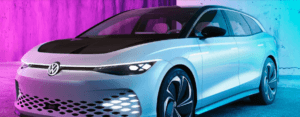
Current Volkswagen Driver-Assistance Features
Volkswagen’s latest vehicles feature advanced systems that automatically assist you and your vehicle to ensure safety and enhance convenience while driving. These innovative technologies include the following:
- Adaptive cruise control: This system helps you maintain a constant speed and safe distance from the vehicle ahead. It’s a stepping stone toward fully autonomous driving, enhancing passenger safety and reducing stress and fatigue by regulating the speed of your Volkswagen.
- Lane-keeping assist: If your vehicle starts to drift unintentionally, this feature can warn you and provide gentle steering inputs to guide your Volkswagen back to the center of the lane. Together with other driver-assist technologies, it paves the way for more advanced autonomous systems.
- Park assist: Volkswagen’s assistive parking technology reduces stress by taking over the steering. It uses sensors to detect available parking spaces and guide your car into tight spots, making urban driving a breeze.
Levels of Autonomous Driving and Volkswagen’s Roadmap
The five levels of driving automation reflect the extent of driver engagement required. Volkswagen plans to bring more advanced self-driving functions to its vehicles as it pushes toward full autonomy:
Level 1: Driver Assistance
At the first level, basic automation features assist with steering, acceleration, or deceleration, but you remain in control. Technologies such as adaptive cruise control, antilock brakes, and lane departure warning fall into this category.
Level 2: Partial Automation
Many current Volkswagen models meet the requirements of this level. These cars can take over certain tasks, including lane centering and advanced cruise control, and while intervention isn’t typically required, you must remain alert. Volkswagen IQ.DRIVE Travel Assist is a Level 2 system.
Level 3: Conditional Automation
Level 3 vehicles can manage critical driving functions, including acceleration, braking, and steering, without your input under certain conditions. However, you must be ready to resume control if needed.
Level 4: High Automation
At this level, your car can perform driving tasks autonomously in most situations. While it will not require your intervention, you can assume control anytime. The vehicle can bring itself to a safe stop and operate on certain routes without occupants.
Level 5: Full Automation
This is the pinnacle of autonomous driving. At Level 5, your vehicle can operate without your intervention under all conditions. Volkswagen envisions a future where its fully automated vehicles will manage all situations, making driving a completely hands-free experience.
Volkswagen’s Collaboration With Tech Companies
Volkswagen has formed strategic partnerships with several technology companies to accelerate the development of autonomous driving systems. Collaborations with Bosch and Mobileye are central to these efforts, with Bosch focusing on software for automated driving and Mobileye providing advanced driver-assistance technologies.
Also, Volkswagen’s software subsidiary, Cariad, is working with Horizon Robotics to enhance autonomous driving capabilities in China. These partnerships enable Volkswagen to integrate cutting-edge technologies into their vehicles more rapidly, fostering innovation and bringing advanced autonomous driving functions to market sooner.
This collaborative approach not only speeds up the development process but also ensures that Volkswagen remains at the forefront of the autonomous driving revolution
Upcoming Autonomous Volkswagen Models
Volkswagen is preparing to roll out new models with enhanced automated driving capabilities, including the highly anticipated ID. Buzz and ID.4.
The ID. Buzz, an electric van with a nostalgic design reminiscent of the classic T2 Transporter, is expected to debut for the 2025 model year. Volkswagen plans to implement Mobileye-supplied components to bring self-driving ID. Buzz vehicles to production. It will feature a comprehensive system of cameras, Light Detection and Ranging, and radar sensors to enable fully automated driving, making it one of Volkswagen’s first autonomous models.
The Volkswagen ID.4, an electric SUV, will also get upgraded self-driving capabilities, mixing high-tech features with a practical design, making it perfect for everyday driving.
How Autonomous Driving Will Change the Future of Mobility
The advent of autonomous vehicles is reshaping the future of mobility. Self-driving cars offer significant benefits, including the following:
- Increased safety: Autonomous vehicles could dramatically reduce accidents caused by human error, which is responsible for 94% of road accidents.
- Reduced traffic congestion: With smart traffic management systems, Volkswagen’s self-driving cars could communicate with each other, optimizing traffic flow and reducing jams.
- Enhanced convenience: Autonomous vehicles have the potential to transform travel time into productive or leisure opportunities by allowing you to catch up on work or relax during your commute instead of focusing on the road.
- Environmental benefits: Many autonomous vehicles will likely be electric, contributing to lower emissions and a greener future for transportation.
Regulatory Challenges and Consumer Readiness
While the future of autonomous vehicles looks promising, Volkswagen needs to address several regulatory challenges. Key issues include establishing comprehensive safety standards, managing liability in the event of accidents, and implementing robust cybersecurity practices to protect against hacking. Policymakers need to balance the promotion of innovation with the necessity of public safety.
Volkswagen is addressing these challenges by leveraging its extensive research and development capabilities. The company is investing heavily in its software subsidiary, CARIAD, to develop a unified software platform enabling intelligent and autonomous driving across all its brands. This platform aims to integrate advanced safety features and ensure continuous updates and improvements through over-the-air updates. The company is also building a strong cybersecurity framework to protect its vehicles.
Volkswagen’s Autonomous Future
Volkswagen is leading the way in the development of autonomous vehicles with exciting new sustainable mobility solutions. As the brand continues to innovate and collaborate with tech leaders, you can expect groundbreaking advancements in automated driving. Stay tuned for updates, and visit Volkswagen of Marion to explore the cutting-edge driver-assistance features in current Volkswagen models.
0 comment(s) so far on Volkswagen and the Future of Autonomous Driving: What to Expect in Coming Years