


Volkswagen Transmission Maintenance Guide
Your Volkswagen’s transmission is the unsung hero, quietly managing the smooth flow of power from the engine to the wheels. However, like any complex system, it requires regular maintenance to ensure optimal performance and longevity. Neglecting your vehicle’s transmission can lead to costly repairs and compromise efficiency and reliability. This guide simplifies Volkswagen transmission maintenance, providing essential insights into service intervals, warning signs, and best practices. By knowing when and how to care for your Volkswagen’s gearbox, you can save time, money, and hassle in the long run.
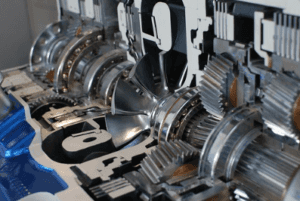
Understanding Your Volkswagen’s Transmission
At the heart of your Volkswagen’s drivetrain is the transmission, a remarkable piece of engineering that transfers power from the engine to the wheels. This complex system adapts your vehicle’s speed and torque, directly impacting performance, fuel efficiency, and driving dynamics. Being without a transmission would render your Volkswagen immobile. Consequently, regular transmission maintenance is crucial for keeping your vehicle running smoothly.
Types of Volkswagen Transmissions
Volkswagen offers several types of transmissions across its model range:
- Manual transmission: Also known as a stick shift, this traditional system requires the driver to change gears manually using a clutch pedal and gear shifter. Known for their durability, manual transmissions typically offer better performance control.
- Automatic transmission: This system automatically changes gears without the driver’s input, making it ideal for those who prefer convenience, especially in stop-and-go traffic. Volkswagen’s modern automatics provide smooth shifts and better fuel efficiency compared to older models.
- Direct-shift gearbox (DSG): A specialty found in sporty Volkswagen models and performance variants, the DSG is an automated manual transmission that combines the efficiency of a manual with the ease of an automatic. It uses two clutches for lightning-fast gear changes, providing both performance and comfort.
How Transmissions Work
While different types of transmissions vary in design and mechanics, they all serve the same purpose: transferring power from the engine to the wheels. When you shift gears, the transmission uses a combination of gears, shafts, and components, such as clutches and bands to align engine speed with wheel speed, enabling efficient acceleration and control in various driving conditions.
Transmission Maintenance Schedule for a Volkswagen
Let’s explore the recommended maintenance schedule for your vehicle’s gearbox. While specific intervals vary by model and transmission type, general guidelines suggest servicing DSG transmissions every 40,000 miles, automatics every 60,000 to 100,000 miles, and manuals every 30,000 to 60,000 miles. These services typically include fluid and filter replacement, along with a thorough inspection.
However, your driving habits and environment can significantly impact these intervals. For instance, frequent stop-and-go traffic, towing, or driving in extreme temperatures may necessitate more frequent servicing. Always consult your Volkswagen’s owner’s manual for model-specific recommendations and be attentive to tell-tale signs of transmission issues.
Signs Your Volkswagen Needs Transmission Service
Like any mechanical system, your Volkswagen’s transmission can develop issues over time. Catching and addressing them earlier on can save you money and hassle. Watch for these tell-tale signs your Volkswagen needs transmission service:
- Unusual noises: Whining, buzzing, or grinding sounds often signal transmission trouble. These noises may be particularly noticeable during gear shifts or when the vehicle is in neutral.
- Delayed or rough shifting: Hesitation or jerking when changing gears can indicate transmission problems. A noticeable loss of power during acceleration may accompany this.
- Burnt odor: A burning smell could signify overheating transmission fluid or worn-out components. This smell often intensifies during or after driving.
- Fluid leaks: Puddles of reddish fluid beneath your parked car suggest a transmission fluid leak. Regular fluid checks can help catch this issue early.
- Poor acceleration: If your Volkswagen struggles to pick up speed or feels sluggish, it could be a sign of transmission trouble.
- Gears slipping: When your transmission slips out of gear or shifts unexpectedly while driving, it’s a clear sign that something is wrong and requires immediate attention.
- Rough idle: An unstable or rough idle could indicate issues with the transmission’s torque converter components. Contaminated transmission fluid can also contribute to this issue.
- Check engine light comes on: While this light can indicate various issues, transmission problems are a common trigger. Always have the code read promptly when this light appears.
Tips for Maintaining Your Volkswagen’s Transmission
In addition to following the manufacturer’s recommended service intervals, here are some best practices for maintaining a car transmission:
- Don’t drive on a spare tire for an extended period: Mismatched tire sizes can put strain on the transmission and other drivetrain components. Only use a spare temporarily until you can replace or repair the original tire.
- Avoid aggressive driving: Sudden acceleration, hard braking, and towing heavy loads all put strain on your Volkswagen’s transmission. Drive smoothly and avoid unnecessary strain on the system.
- Use high-quality transmission fluid: Your Volkswagen’s transmission needs a specific transmission fluid to operate correctly. Always use approved fluids and change them according to recommended intervals.
- Check transmission fluid regularly: Low, dark, discolored, or rotten fish-smelling fluid can all indicate issues with your transmission. Regularly checking and changing the fluid is an essential part of maintaining your Volkswagen’s transmission.
- Warm up your vehicle before driving in cold weather: Chilly weather can be hard on transmissions, as the fluid thickens and becomes less effective. Give your vehicle time to warm up before driving in freezing temperatures.
- Keep up with general vehicle maintenance: You can prevent many issues that affect the transmission by maintaining other systems, such as the cooling system. Keep up with regular maintenance and address any issues promptly.
- Contact our certified technicians at the first sign of trouble: As with any vehicle, catching and addressing transmission issues early can save you time, money, and headaches in the long run. Don’t ignore warning signs or delay servicing.
Schedule Your Transmission Service at Volkswagen of Marion
Regular transmission maintenance is key to your Volkswagen’s longevity and performance. The factory-trained technicians at our service center in Marion, Illinois, specialize in caring for pre-owned and new Volkswagen models. We use genuine Volkswagen parts and advanced diagnostic tools to ensure your transmission receives the best possible care. Whether you’re due for routine maintenance or experiencing transmission issues, our team will provide top-notch service that exceeds your expectations. Contact us to schedule your Volkswagen transmission service, and experience the Volkswagen of Marion difference today.
Automatic Transmission by Vestman is licensed with CC BY 2.0
2 comment(s) so far on Volkswagen Transmission Maintenance Guide
I am planning to have my 2021 passat SE 2.0T gasoline with 66,000 miles transmission flushed. Please let me know the cost. Thank you.
Thang, please call our service department at 618-249-3834 for quotes on any service. We can only provide quotes to our dealership, so if you’re not local we recommend contacting your local dealership.