


Electric or Gas: Which Volkswagen is best for you?
We are living through an unprecedented era of automotive innovation. Today’s auto manufacturers are building vehicles with unheard-of fuel economy numbers while developing extraordinary electric and hybrid approaches to carmaking. With so many choices, you may wonder whether an electric or gas Volkswagen is the best way to go.
That’s ultimately a question only you can answer, based on what you need your car to do. Both types of vehicles have advantages. The team at Volkswagen of Marion has put together a guide to help you understand the pros and cons of electric and gas Volkswagen sedans and crossovers.
Electric vs. Gas Volkswagen Lineup
Volkswagen has historically produced a robust line of gas-powered vehicles and continues to do so. Gas-powered Volkswagens include sedans such as the Passat, Jetta, Jetta GLI, and Arteon, and SUVs such as the Atlas, Atlas Cross Sport, Tiguan, and Taos.
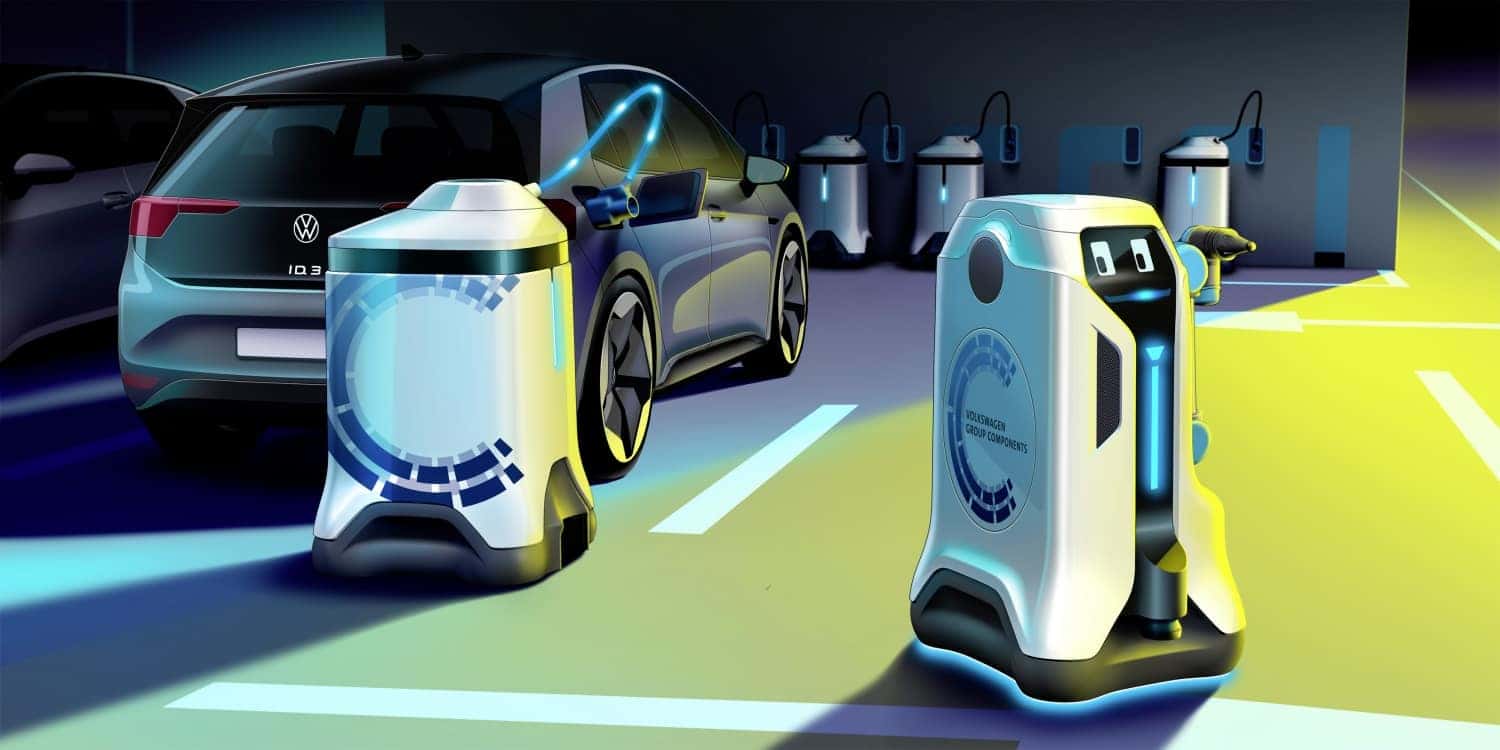
Right now, the shining star for VW electric vehicles is the highly anticipated ID.4 crossover, which is the successor to the former e-Golf sedan. Volkswagen ended production of the e-Golf at the end of 2020. The ID.4 is the first in what’s expected to translate into a line of ID-named vehicles.
Reliability
No one who buys a vehicle relishes the idea that it might someday break down — and potentially sooner than anyone would like. But it happens. Reliability remains a difficult metric to evaluate for electric versus gas cars because one person’s experience does not represent the whole.
Despite the intuitive sense that electric cars should be more problem-free, a recent study by Consumer Reports found that’s not yet so — at least as far as consumer perception shows. The study found that electric vehicle reliability was a mixed bag, which the magazine attributed to the newness of the technology platform. Manufacturers are still working out the growing pains, Consumer Reports said. The Consumer Reports study, and a similar one from J.D. Power, found that despite some reliability issues, owners of electric vehicles remain loyal to them.
The Volkswagen ID.4 is widely considered too new to issue a verdict on reliability. But Volkswagen overall gets above-average ratings on reliability as a brand, scoring a 3.5 out of 5.0 from RepairPal.
Environmental Impact
The environmental advantage of the electric Volkswagen ID.4 is obvious. According to the EPA, electric vehicles produce no tailpipe emissions. That doesn’t make electric cars completely carbon neutral, though. The process of generating the electricity to run the vehicle does release pollution, but how much will depend on where you live and the source of the power. (You might live in an area that has had success in implementing renewable power sources.) But, says the EPA, the amount of greenhouse gas emissions from electric vehicles are lower than from gas-powered vehicles. Use this calculator from the EPA to compare the polluting effects of gas-powered versus electric-powered vehicles.
Frequency of Service and Type of Service Needed
Most observers agree that electric vehicles tend to have fewer mechanical problems than gas-powered vehicles, and that’s largely because of the significant differences in the way the engines work. Gas-powered engines rely on lots of moving parts, and moving parts can sometimes go bad. Gas engines also rely on various types of fluids, a challenge that is missing from electric vehicles.
That’s not to say that breakdowns don’t happen, or that you live a maintenance-free life with an electric Volkswagen versus a gas-powered one. Electric batteries can go bad just as well as gas-powered ones. You can experience other types of electrical system problems. And you also face identical maintenance challenges from external systems, such as tires, brakes, headlights, taillights, or others.
Economy and Efficiency
It is difficult to make a straight-on comparison of fuel economy between gas and electric vehicles, even though the EPA has developed an equivalent methodology for electric-powered vehicles. The vehicles face different variables that may impact results.
There is also ongoing discussion about the best way to measure the efficiency of electric vehicles. The EPA provides a measure that it calls mpg-equivalent, but the metric most people say to watch is kilowatt-hours per 100 miles. The 2021 Volkswagen ID.4 gets 35 kWh for every 100 miles driven, according to the EPA. The tricky thing about this electric vehicle measurement is that a lower number is better, in contrast to miles per gallon, where higher is better. The EPA also says the ID.4 gets a combined 97 mpg equivalent.
Gas-powered sedans and SUVs from Volkswagen offer a wide range of fuel economies. The Volkswagen Atlas SUV line in various trims gets between 18 mpg and 22 mpg combined. In contrast, Volkswagen Jetta sedans get between 28 mpg and 34 mpg.
Find your next car at Volkswagen of Marion
Whether electric or gas, Volkswagen of Marion has your next car waiting for you. We are a full-service dealer serving Marion, Illinois, and the surrounding areas, such as Carbondale, Benton, and Harrisburg. Our sales team can show you new models of both gas and electric-powered Volkswagen cars and crossovers, such as the Jetta, Passat, Atlas, and all-new ID.4.
Used car shoppers will also find plenty to choose from. VW of Marion maintains one of the area’s largest inventories of pre-owned vehicles from all the major manufacturers — Chevrolet, Dodge, GMC, Hyundai, Kia, Ram, Toyota, Jeep, and, of course, Volkswagen.
To find a loan or lease payment that fits your budget, work with our finance center. For your service needs, we offer a team of dedicated and certified technicians who can keep your car on the road for as long as possible.
Call us or contact us online today. We’d love to work with you!
0 comment(s) so far on Electric or Gas: Which Volkswagen is best for you?